The woman at the center of a loud family story
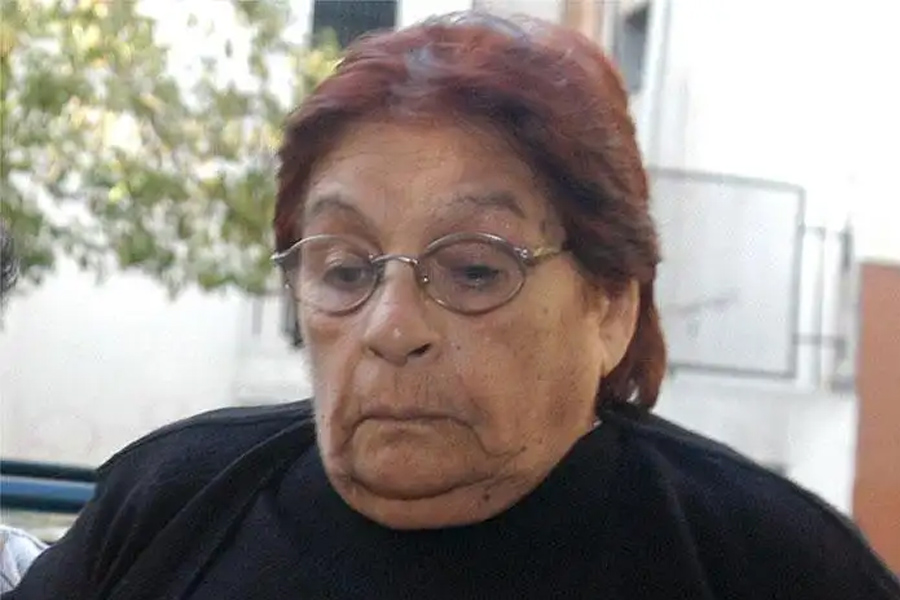
The Maradona family narrative goes beyond fame, awards, and headlines. Dalma Salvadora Franco, also known as Doña Tota, may be the quieter power behind it all. She lived like a steady river under a tumultuous surface since her birth on August 3, 1929, in Esquina, Corrientes, Argentina. Her name may not have been on stadium screens, but she shaped one of the most famous sporting families.
I see her like a tall tree’s secret root. The branches are first noticed, but the roots hold everything together. Her branches included football, public drama, and numerous generations of a closely watched family. Home, children, sacrifice, and endurance defined her existence. Not a tiny legacy. That’s family architecture.
Early life and marriage
Dalma Salvadora Franco came from Esquina, a riverside town in Corrientes with a strong regional identity and a working-class rhythm. Her parents were Román Edisto Franco and Salvadora Cariolichi Ferreira. In 1950, she married Diego Maradona Sr., known as Chitoro. Together, they formed the original frame of the Maradona household.
They later moved to Buenos Aires, where life became more crowded, more difficult, and eventually much more visible. Their home life was not polished or theatrical. It was practical, tight, and full of responsibility. I picture it as a house with narrow walls and a very wide heart. She and her husband raised a large family with limited resources, and that struggle became part of the Maradona myth.
A mother of eight children
Dalma Salvadora Franco was the mother of eight children, and that fact alone says a great deal about her life. She had five daughters and three sons. The children most often named in public accounts are:
| Child | Notes |
|---|---|
| Ana María | One of the older daughters |
| Rita “Kitty” | One of the older daughters |
| Elsa “Lili” | One of the older daughters |
| María Rosa “Mary” | One of the older daughters |
| Claudia “Cali” | One of the daughters |
| Diego Armando | The best known child, the football icon |
| Raúl | One of the sons |
| Hugo | The youngest known son |
Her children grew up under difficult conditions, and that fact matters. This was not a family raised in comfort with endless options. It was a family built through repetition, care, and constant adjustment. Dalma Salvadora Franco had to manage not only meals and chores, but personalities, tempers, dreams, and shortages. That is a kind of labor that often goes unseen, yet it forms the emotional engine of a household.
Among her children, Diego Armando Maradona became the most famous. But fame did not erase the family source. If anything, it made it more visible. Diego repeatedly appeared as a son who still belonged to a mother’s orbit. The world saw the rebel, the genius, the icon. She saw the boy first.
The mother behind Diego Maradona
The story of Dalma Salvadora Franco cannot be separated from Diego Maradona, because her influence ran through his life like electricity through a wire. He was born on 30 October 1960 in Lanús and later became one of football’s most extraordinary figures. Yet even in that giant public life, his mother remained a defining presence.
I think what made her important was not simply maternal devotion, though that was real. It was the texture of that devotion. She was part protector, part witness, part moral anchor. In stories about Diego’s childhood and rise, she appears as the one who kept the family from drifting apart while the world began to pull at her son.
When Diego’s career began to rise, the family moved from hardship toward visibility, but the emotional center stayed close to her. The move to Buenos Aires, the years in Villa Fiorito, and later the shift to La Paternal all form part of the family’s climb. In many ways, her life tracked the transformation of the household from obscure working-class roots to public legend.
The larger Maradona family web
Dalma Salvadora Franco’s legacy expands through generations. Her children built families of their own, and those branches became part of a large and complicated lineage.
Her grandchildren through Diego Armando Maradona include:
- Dalma Nerea Maradona
- Giannina Dinorah Maradona
- Diego Sinagra, also known as Diego Maradona Jr.
- Jana Maradona
- Diego Fernando Maradona Ojeda
These names matter because they show how far her family story spread. Dalma Salvadora Franco was not only a mother of eight. She became the grandmother of a generation that remained under public attention, often because of the shadow and shine of Diego’s fame.
Her great-grandchildren include:
- Roma Caldarelli
- Benjamín Agüero
That creates a multigenerational map stretching from Corrientes to the present. I see it almost like a chain of mirrors. Each generation reflects the last, but never perfectly. The images shift, the setting changes, and yet the family connection remains.
Personal character and public memory
Dalma Salvadora Franco was a homemaker, family matriarch, and emotional center, not a star. She defies professional and title norms. Instead, it reads like a long, deliberate holding together.
On November 19, 2011, she died in Buenos Aires. Her name lived on in family, football, and social memory after her death. People still honor Doña Tota as the foundation builders without seeking praise.
I suppose that makes her narrative last. No one saw her perform. She was the stage. The rest happened on her support beams.
A family shaped by sacrifice and movement
The Maradona family story is not a simple one. It contains poverty, migration, fame, conflict, tenderness, and public scrutiny. Dalma Salvadora Franco lived inside all of that. Her life began in Corrientes, moved through Buenos Aires, and expanded into a family history that now includes football stars, actors, and children who carry one of the most recognized surnames in the world.
Her husband, Diego Maradona Sr., helped anchor the household. Her sons, especially Diego and Hugo, entered public life in different ways. Her daughters maintained a quieter line of family continuity. Together, they formed a household with many voices, many pressures, and many memories.
If I had to describe her role in one image, I would call her the hearth in a winter house. The flame may have flickered, the room may have grown crowded, and the wind outside may have been fierce, but the warmth began there.
Extended family members at a glance
| Relationship | Name |
|---|---|
| Husband | Diego Maradona Sr. |
| Children | Ana María, Rita “Kitty”, Elsa “Lili”, María Rosa “Mary”, Claudia “Cali”, Diego Armando, Raúl, Hugo |
| Grandchildren through Diego | Dalma Nerea, Giannina Dinorah, Diego Sinagra, Jana, Diego Fernando |
| Great-grandchildren | Roma Caldarelli, Benjamín Agüero |
FAQ
Who was Dalma Salvadora Franco?
Dalma Salvadora Franco was the mother of Diego Maradona and the matriarch of a large Argentine family. She was known as Doña Tota and remembered for her role in raising eight children.
Where was she born?
She was born on 3 August 1929 in Esquina, Corrientes, Argentina.
Who was her husband?
Her husband was Diego Maradona Sr., also known as Chitoro.
How many children did she have?
She had eight children, including Diego Armando Maradona and Hugo Maradona.
Why is she important in Maradona family history?
She is important because she was the family’s emotional and domestic center. Her sacrifice, discipline, and care helped shape the environment in which Diego Maradona grew up and rose to fame.