A Family Built Like a Foundation Stone
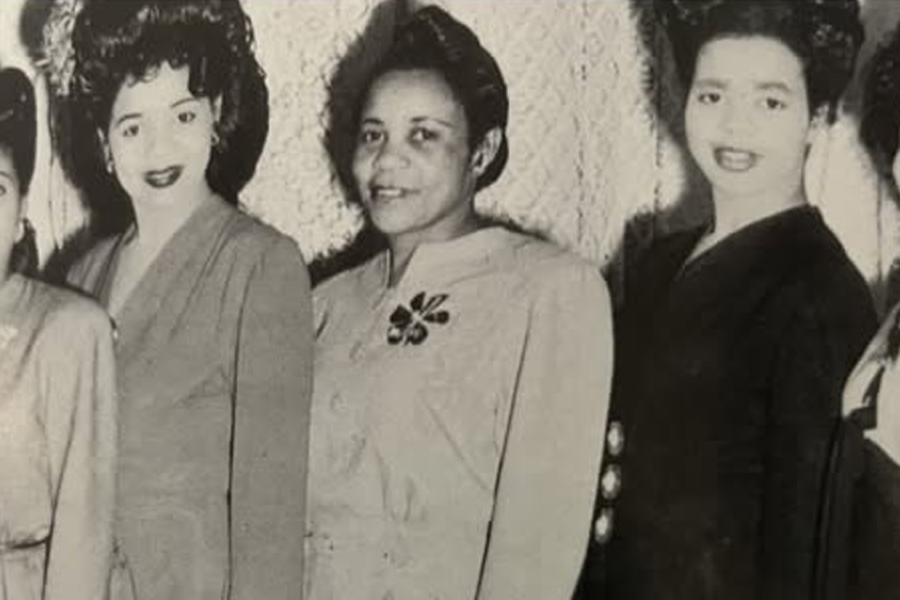
I think of Loucye Gordy Wakefield as one of those people history often hides in plain sight. Her name does not thunder in the way a famous singer’s name does, yet her work helped hold up a cultural giant. Born Loucye Pearl Gordy on December 24, 1924, in Detroit, she came from the Gordy family, a household that turned discipline, thrift, and ambition into fuel. In that family, business was not a side note. It was the language of survival.
The Gordy home was large, busy, and full of motion. Her father, Berry Gordy Sr., known as Berry “Pops” Gordy, was an entrepreneur whose life crossed farming, groceries, and construction. Her mother, Bertha Fuller Gordy, carried her own strength into the household and helped shape the family’s sense of order and purpose. Together, they raised eight children, and each child seems to have inherited a piece of the family engine. Some made music, some made deals, some made institutions. Loucye made the books work.
The Gordy Siblings and the Shape of the Family
My Gordy family tree has multiple branches that reach into Motown in different ways. Loucye was one of the siblings who enriched the family.
The oldest was Fuller Berry Gordy. He was famous for Motown and bowling. Esther Gordy Edwards was a powerful organizer who helped preserve the family history through the Motown Museum. Early firm founder Anna Ruby Gordy Gaye combined music and business. George Gordy wrote and produced. Gwendolyn Gordy Fuqua boosted creativity and entrepreneurship. For many, Berry Gordy Jr., the youngest brother, represented Motown. Robert Gordy worked in the family and later led Loucye’s work.
Because she didn’t attempt to shine onstage, Loucye’s place in this family is special. She was behind the curtain, keeping the machines running. A family that moved like a band needed her steady bass line.
Ron Wakefield and Her Personal Life
Loucye married Ron Wakefield, a musician connected to Motown, especially as a tenor saxophonist. That marriage gives a useful image of her life. She lived at the seam where family business, music, and labor met. She was not separated from the creative world. She was inside it, close enough to hear the pulse, close enough to know what it took to turn talent into a working company.
Her life was not presented to the public in the way that celebrity lives are. There is no floodlight around her name. Instead, I see a quieter shape, one built from work, loyalty, and responsibility. That kind of life can be easy to miss, but it often supports more people than a louder one ever could.
Motown’s Money Mind
If Motown was a hit machine, Loucye was part of the mechanism that kept the machine supplied with oil. She handled finance and administration, and public histories credit her with responsibilities that included receivables, sales, billing, collections, manufacturing, graphics, and liner notes. Those are not glamorous tasks. They are the hidden gears that keep a company from slipping.
I find that especially striking because Motown’s rise could easily make people think only of performers and producers. But labels need structure. Songs need accounting. Records need billing. Artists need money to move on time. Loucye understood the practical side of dream-making. She appears to have been one of the people who helped Motown avoid the trap that catches many creative companies, where talent is abundant but cash flow is shaky.
She also headed Jobete Music, Motown’s publishing arm. That matters. Publishing is where songs become assets, where creativity turns into something that can be managed, licensed, and protected. Loucye was not simply counting money. She was helping define how the company would keep control of its own future.
Work Achievements That Still Echo
Her achievements deserve to be named clearly. She was an executive, a finance leader, and a business operator inside one of the most influential Black-owned music companies in American history. She also earned songwriting credits, including work associated with “Don’t Let Him Shop Around” and “The Stretch.” Those credits show that her role was not limited to paperwork and ledgers. She had a creative footprint too.
One of the most meaningful achievements attached to her legacy is the scholarship fund established in her honor after her death. That gesture reveals how deeply she was valued. When a company builds a memorial fund for someone, it usually means that person did more than fulfill a job description. It means they shaped the company’s moral center.
To me, Loucye’s career looks like a bridge. On one side stood family tradition, hard work, and survival. On the other side stood the polished, global world of Motown. She helped people cross that bridge.
Death, Legacy, and the Way History Remembers Her
Loucye died in Detroit on July 24, 1965. Her death devastated the Gordys and Motown. The corporation lost more than an executive. A stabilizer who understood family and business was lost.
Her passing prompted a large tribute. She was remembered through a scholarship fund, Motown releases, and memorials. It tells me something crucial. Even though the public knew her less than the performers, those inside the tale valued her. The company’s emotional architecture incorporated her.
Her family carries on her legacy. Esther Gordy Edwards preserved Motown memories. Berry Gordy Jr. popularized Motown. George, Gwen, Anna, Fuller, and Robert sent family members in different paths. Loucye had a separate yet vital function. Her efforts kept the floor from sinking under ambition.
The Gordy Family as a Living System
I see the Gordy family as more than a list of names. It is a working system. One sibling built, another managed, another archived, another produced, another wrote. Loucye sat at the center of that system in a way that was both quiet and commanding.
Berry Gordy Sr. and Bertha Fuller Gordy gave the family its core. Their children turned that core into art, business, and memory. Loucye helped translate family values into company policy. She was part of the bridge between a Detroit household and a cultural revolution.
If I had to describe her in one image, I would say she was a lock on a strong door. Not decorative. Not loud. Necessary. She protected the value inside.
FAQ
Who was Loucye Gordy Wakefield?
Loucye Gordy Wakefield was a Detroit-born member of the Gordy family who played a major behind-the-scenes role at Motown. She worked in finance, administration, and publishing, and she became one of the family members most responsible for keeping the business side of Motown strong.
Who were her closest family members?
Her parents were Berry Gordy Sr. and Bertha Fuller Gordy. Her siblings included Fuller Berry Gordy, Esther Gordy Edwards, Anna Ruby Gordy Gaye, George Gordy, Gwendolyn Gordy Fuqua, Berry Gordy Jr., and Robert Gordy. She was married to Ron Wakefield.
What did she do at Motown?
She handled important financial and operational work, including receivables, sales, billing, collections, manufacturing, and publishing. She also led Jobete Music, which was central to how Motown managed songs and rights.
Why is she important in Motown history?
She helped turn Motown from a creative dream into a functioning business. That kind of work does not always get the applause, but it keeps the whole structure standing. Her impact was part financial, part organizational, and part cultural.
What is known about her legacy?
Her legacy includes her role in Motown’s rise, her songwriting credits, and the scholarship fund created in her memory after her death. She remains part of the Gordy family story and the larger Motown story, where family, business, and music moved together like a single current.