Brion Leonard Ford: A Life Carried by Song and Family History
I see Brion Leonard Ford as a figure standing in the long shadow of a famous name, but not lost inside it. He was born on September 3, 1952, in San Gabriel, California, and he died on October 24, 2008, in White House, Tennessee, at the age of 56. His life was tied to music, family inheritance, and the hard arithmetic of public and private identity. He was the youngest son of Tennessee Ernie Ford, and that fact alone placed him in a family story already ringing with memory. But Brion was not just a footnote to his father’s fame. He was a singer, an entertainer, and a man whose life moved between stage lights, courtrooms, trust funds, and personal duty.
The name Brion Leonard Ford appears in records with a quiet gravity. It feels like a name built to be remembered. In his case, memory matters because his life is preserved through fragments: an obituary, a legal opinion, family references, and older performance notes. Those pieces form a portrait that is incomplete, but still vivid enough to hold. I can picture him as someone who lived between two worlds, one inherited and one earned.
The Ford Family Tree and the People Around Him
Prior to his birth, Brion’s family history began. Tennessee Ernie Ford, his father, was born on February 13, 1919, and was a famous American vocalist. Brion’s paternal grandparents were Clarence Thomas Ford and Maud Long, Ernie Ford’s parents. Like a river, that thread branches back through Tennessee roots. Clarence Thomas Ford and Maud Long link Brion to a pre-fame family history.
Betty Heminger, Brion’s mother, married Tennessee Ernie Ford in 1942. Brion’s biography revolves around Betty because her inheritance affected his adult finances. Brion and his brother inherited a trust for their father’s work through her. Betty was a parent and a link between legacy and livelihood.
Brion’s famous sibling was Jeffrey Buckner Ford, known as Buck Ford. Brother Buck was older. He was an actor, writer, and media producer who preserved Ford family history. Brion and Buck had a familial and symbolic tie. One brother was visible in public storytelling and entertainment, while the other struggled financially and performance-wise. Different outputs from the same family root.
Brion’s personal family included his wife, Vivian Ford, and son, Jarrod Michael Ford. His stepdaughters, Tamara L. Crafton and Jill R. Allen, were named in his obituary, suggesting a blended family with additional responsibilities. He had three grandchildren, Jade Allen, Morgan Crafton, and Blaze Brewington. That makes his narrative intergenerational. Not just one man, but a family that grew like rings in water.
Additionally, the Ford and Long lineages have older generational names. The Long family records J. Walter Long and Nancy Adeline or Adelaide Ladd as great grandparents. These names position Brion in a genealogical web where each branch matters. Family trees hang in different places. The reach continues.
Career, Work, and the Struggle to Stand on His Own
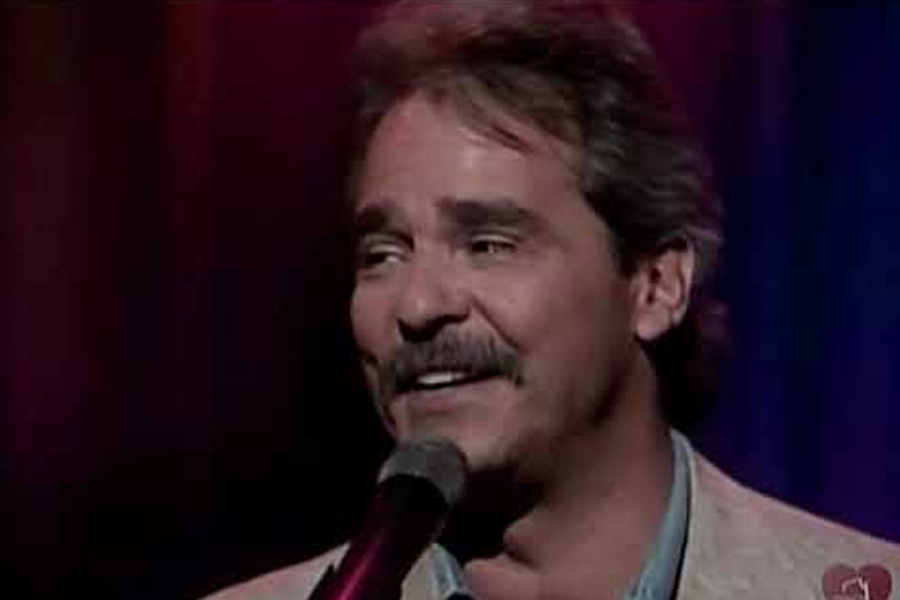
Brion’s career was shaped by entertainment, but not in the glossy way people sometimes imagine. He worked in an Opryland show for about two years, sang in a gospel group for eight months, did radio commercials, and performed in hotel bars as a duet partner with an uncle. He also appeared once on a TNN show with his father and later appeared to promote a reissue of one of his father’s recordings. These are not the credits of a star with a massive public catalog, but they do show persistence. He kept singing. He kept moving toward the microphone.
I think there is something poignant about that. His career was like a candle burning in a draft. It gave off light, but it had to fight for air. He had the name Ford, which could open doors, but it also brought expectation. People often assumed a famous surname would make everything easy. Brion’s life showed the opposite. He had to work, improvise, and chase small opportunities in a crowded field.
A 1998 court record gives the clearest view of his work history. It says he had spent about 18 years trying to make a living in entertainment and had also worked as a motel desk clerk in 1990 and 1991. That detail matters because it humanizes him. It tells me he was not living inside a permanent spotlight. He was adapting, like many people do when art and income do not meet in the middle.
Money, Trusts, and the Legal Reality Around His Life
Brion’s finances were impacted by inheritance, trust income, and child support. After his mother died, Brion and Buck received a half stake in Tennessee Ernie Ford’s work via a testamentary trust. That included recording and sheet music rights. Brion received large payouts from 1992 to June 1996. He collected 277,610 dollars, including 70,125 from life insurance, according to the register.
Money did not make his life perfect. The court increased his child support due to his underemployment. The report also noted his entertainment income losses in several years. This is the downside of familial legacy. Money exists, but it doesn’t always provide stability. For Brion, wealth and income didn’t erase suffering. They only complicated it.
I value this section of his tale since it disproves easy assumptions. Fame does not ensure ease. Peace is not guaranteed by family property. Even an inherited name can be burdensome when debts, duties, and employment are involved.
Public Memory, Recent Mentions, and the Shape of His Legacy
Brion Leonard Ford continues to surface in public memory through family posts, archive references, and older performance clips. His name is often mentioned alongside his father’s, which is understandable, but I think Brion deserves his own frame. He was not simply Tennessee Ernie Ford’s son. He was also a man who performed, provided, fathered, married, and endured.
The recent mentions of him tend to be personal rather than news driven. That makes sense. He is remembered more as part of a family story than as a headline maker. Yet those reminders keep him alive in the historical sense. Names on old recordings, family tributes, and performance notes can act like lanterns in a hallway. They show where he stood, even if only for a moment.
FAQ
Who was Brion Leonard Ford?
Brion Leonard Ford was the youngest son of Tennessee Ernie Ford and Betty Heminger. He was born on September 3, 1952, and died on October 24, 2008. He worked in entertainment, including singing and related performance work, and he was also part of the wider Ford family legacy.
Who were Brion Leonard Ford’s parents?
His parents were Tennessee Ernie Ford and Betty Heminger Ford. His father was a celebrated singer and television personality, and his mother was central to the family’s later trust and inheritance structure.
Did Brion Leonard Ford have siblings?
Yes. His brother was Jeffrey Buckner Ford, often called Buck Ford. Buck worked as an actor, writer, and producer, and he has also helped preserve the Ford family’s public memory.
Who was Brion Leonard Ford married to?
Brion was married to Vivian Ford. The public record also shows that he had stepdaughters, Tamara L. Crafton and Jill R. Allen, and a son named Jarrod Michael Ford.
Did Brion Leonard Ford have children and grandchildren?
Yes. His son was Jarrod Michael Ford. He also had three grandchildren: Jade Allen, Morgan Crafton, and Blaze Brewington.
What did Brion Leonard Ford do for work?
He worked in entertainment, including an Opryland show, gospel singing, radio commercials, hotel bar performances, and at least one television appearance with his father. He also worked outside entertainment as a motel desk clerk.
Why is Brion Leonard Ford remembered today?
He is remembered as part of the Tennessee Ernie Ford family, but also as a performer who tried to build a life of his own. His story blends music, family inheritance, struggle, and persistence into one quiet but memorable legacy.