A life marked by violence and public infamy
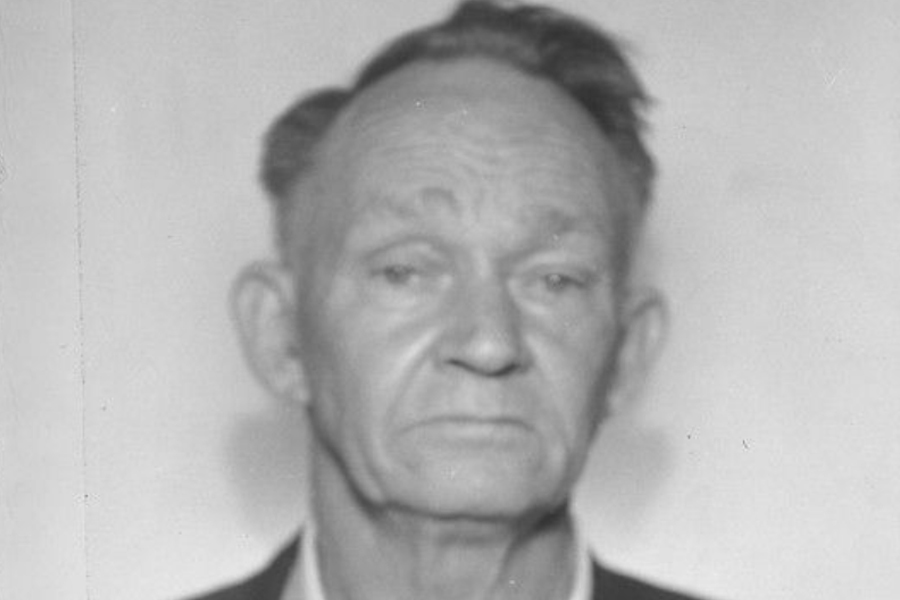
Robert Edward Chambliss was born on January 14, 1904, in Pratt City, Alabama, and his name became tied to one of the most searing crimes in American civil rights history. He lived most of his life in Birmingham, a city where iron, labor, and racial division all pressed hard against daily life. Chambliss worked in ordinary places, including a city auto repair shop, but his public legacy was anything but ordinary. He became known as a Ku Klux Klan member, a segregationist, and a man later convicted in connection with the 1963 bombing of the 16th Street Baptist Church.
I read his life as a split screen. On one side, there is the local worker, husband, and father. On the other side, there is the bomb maker, the organizer, and the man history remembers for terror. The second image has overshadowed the first so completely that the first survives mostly as a shadow. That is not accidental. Some lives are remembered through jobs and family photographs. Chambliss is remembered through smoke, shattered stone, and grief.
Birmingham, the Klan, and the road to infamy
In the 1940s, Chambliss worked in Birmingham’s car repair shop and as a hardware store clerk. These elements demonstrate his closeness to public life. Not hidden at the world’s edge. He was an insider in a Southern city, walking the same streets and working the same jobs. He also become a dedicated white nationalist.
Birmingham boiled over with civil rights strife throughout the 1950s and 1960s. Chambliss entered the heat. He was an Eastview 13 Klavern member and racist organizer. Later sources continually mention his bomb-making skills. His moniker, “Dynamite Bob,” describes his maliciousness in a few words. It sounds ludicrous until the history is explained.
September 15, 1963 is crucial to this story. A bomb exploded at Birmingham’s 16th Street Baptist Church that morning. Four girls died. The blast hurt others and shattered national consciousness. Chambliss was later recognized as a suspect. He received a life sentence for first-degree murder in 1977 after years of delay. He died in Birmingham on October 29, 1985, after a life in prison.
Family ties, household life, and the private circle around him
I find the family section of Chambliss’s life especially revealing, not because it softens him, but because it shows how public violence can sit inside an ordinary household. His wife was Elsie Jean Chambliss. Their marriage lasted 54 years, a long span that suggests a settled domestic world even as his public life was tied to hate and criminality. Elsie outlived him by many years and died in 2011.
The children publicly named in the family record are Michael Chambliss, Gary Chambliss, Kathy Jordan, Barbara Lynn Cecchi, Sarah Anne Brunson, Robert Chambliss, and Linda Miller. Some of them are identified with their spouses as well. Barbara Lynn Cecchi was married to Wayne Cecchi. Sarah Anne Brunson was married to Allen Brunson. Robert Chambliss was married to Ginger Chambliss. Linda Miller was married to Gary Miller. These names matter because they show the web of kinship that surrounded him, a web that continued long after his own death.
His parents were Ellen Chambliss and John Allen Chambliss. His siblings included John Chambliss, Marigold Hensley, and Lottie Brooks. Lottie was married to Donald Brooks. The broader family also included grandchildren and great grandchildren, a reminder that family lines keep moving even when a person’s public reputation is frozen in a darker time. The grandchildren named in the family record include Jeffrey, Corey, Gerald “Bullit,” Trapper, Katherine, Christina, Gregory, Kannady, Kathrine, Wilder, Tyler, Presley, Kristi, and Christopher. The great grandchildren named are Elijah, Broadie, Halle, Adalyn, Piper, Justus, and Riley.
There are also two nieces who appear in the historical record. Reverend Elizabeth Cobbs testified against him, and Willie Mae Walker later preserved prison papers that helped document his correspondence. These women give the family story another edge. They are not just relatives in a family tree. They are part of the paper trail of memory, testimony, and evidence.
Career, money, and public reputation
Chambliss’s career is brief compared to his criminal record. His 1940s work in Birmingham’s city auto repair facility is the most specific. At times, he was a city mechanic and hardware shop clerk. Those jobs indicate a working-class or lower-middle-class man who knew work and regularity.
Few reliable public records exist about his finances, savings, or fortune. Money for legal defense stands out, not earnings. He was released on a $200,000 family and supporter bail before his 1977 trial. That number shows the network around him and the case’s attention.
Achievements seem almost wrong here. Success in a regular biography would include promotions, inventions, honors, or public service. Chambliss’s public record shows destructive skill, not constructive accomplishment. He was a bomb creator and leader of a city- and nation-shattering terror strike. That is his harsh life record.
Why Robert Edward Chambliss still matters
Chambliss matters because history is not made only by presidents and preachers. It is also made by men who work ordinary jobs, sit at kitchen tables, and then choose violence. His life shows how racism can be embedded in neighborhoods, workplaces, and families, not just speeches and rallies. The 16th Street Baptist Church bombing did not come from nowhere. It came from a culture that made cruelty feel normal enough to organize.
The prison letters later opened to the public added another layer. They showed a man still writing, still thinking, still moving through family bonds and legal frustration after conviction. That kind of material does not excuse anything. It only reminds me that the damage done by a single life can continue in letters, archives, and memories long after the body is gone.
FAQ
Who was Robert Edward Chambliss?
Robert Edward Chambliss was a Birmingham, Alabama, white supremacist and Ku Klux Klan member best known for his conviction in connection with the 1963 bombing of the 16th Street Baptist Church. He was born in 1904 and died in 1985.
What was his role in the 16th Street Baptist Church bombing?
He was one of the men tied to the attack and was convicted of first degree murder in 1977. The bombing killed four girls and became one of the defining atrocities of the civil rights era.
Who was his wife?
His wife was Elsie Jean Chambliss. Their marriage lasted 54 years.
Who were his children?
His publicly named children were Michael Chambliss, Gary Chambliss, Kathy Jordan, Barbara Lynn Cecchi, Sarah Anne Brunson, Robert Chambliss, and Linda Miller.
Who were his parents and siblings?
His parents were Ellen Chambliss and John Allen Chambliss. His siblings included John Chambliss, Marigold Hensley, and Lottie Brooks.
Did Robert Edward Chambliss have grandchildren?
Yes. The family record names several grandchildren, including Jeffrey, Corey, Gerald “Bullit,” Trapper, Katherine, Christina, Gregory, Kannady, Kathrine, Wilder, Tyler, Presley, Kristi, and Christopher.
Did he have great grandchildren?
Yes. The family record names Elijah, Broadie, Halle, Adalyn, Piper, Justus, and Riley as great grandchildren.
What kind of work did he do?
He worked for the City of Birmingham’s auto repair shop in the 1940s and was also described as a city mechanic and former hardware store clerk.
Was there any public information about his money or property?
Reliable public information about his personal finances is limited. One clearly documented figure is the $200,000 bond raised before his 1977 trial.
Why does his story remain important?
His story remains important because it shows how organized racism can grow inside everyday life, then erupt into historic violence. It is a warning carved into memory, not just a name in a courtroom record.